
Combat Sports Apparel: A Buyer’s Guide to Shorts, Rash Guards, and Shoes
Combat sports apparel refers to the shorts, rash guards, compression gear, and footwear built for striking and grappling training — not generic gym wear. It needs four-way stretch, flat seams that won’t chafe under a gi or against bag gloves, and fabric that handles sweat without trapping heat during rounds.
What Actually Counts as Combat Sports Apparel
Walk into any boxing gym or MMA room and you’ll notice the clothing looks nothing like standard athletic wear. Combat sports apparel is built around range of motion first — a high kick, a deep sprawl, or a guard pass shouldn’t be fighting your clothes. That category covers fight shorts with stretch gussets, rash guards and spats for grappling, moisture-managing training tees, and purpose-built footwear for striking. Our apparel and footwear collection groups all of this together because the fit and fabric decisions overlap more than most beginners expect.
The mistake a lot of new trainees make is showing up in cotton basketball shorts or running shoes. Cotton holds sweat, gets heavy, and chafes during long rounds. Running shoes have cushioned heels that aren’t built for pivoting. Combat sports apparel solves both problems with flatter soles, stretch panels, and quick-dry synthetics.
Choosing Boxing and MMA Shorts
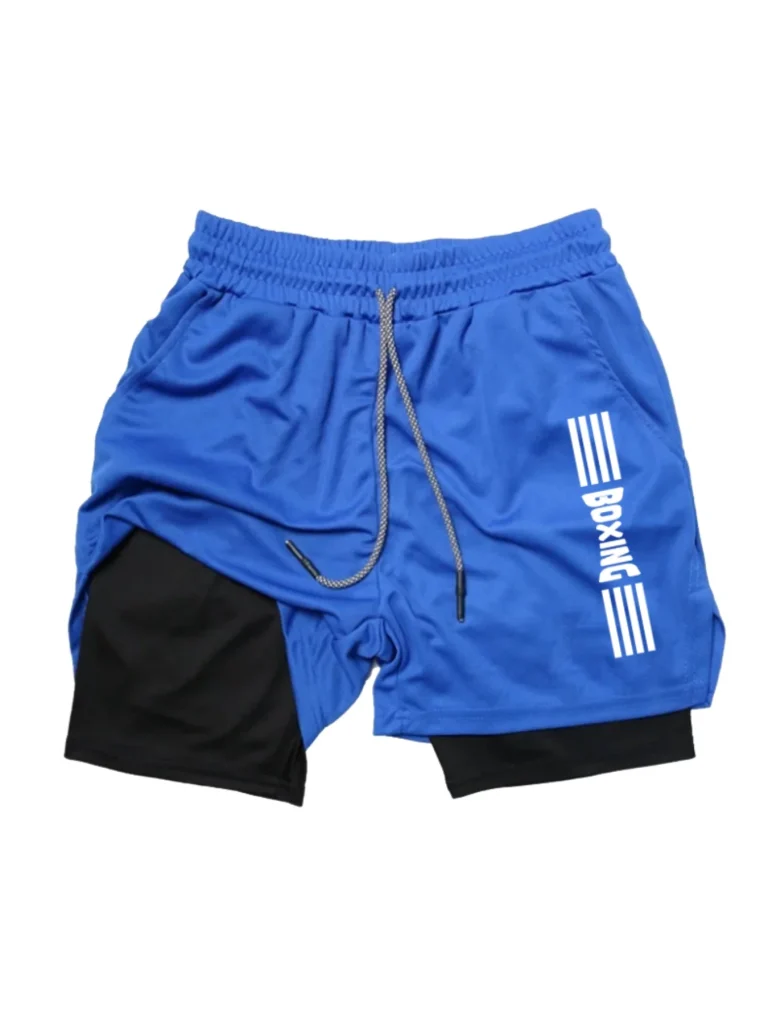
Shorts are the piece of combat sports apparel you’ll wear in every single session, so get this one right before anything else. Boxing trunks sit higher and narrower than MMA-style shorts because boxing footwork is linear — you’re moving forward, back, and laterally, not throwing a head kick. MMA and Muay Thai shorts are cut shorter and wider at the thigh with a slit vent so a high kick doesn’t bind at the hip.
Fabric and Seam Construction
Look for a lightweight woven or stretch-polyester blend with a drawcord waist — not an elastic-only band, which rolls and digs in during grappling exchanges. Flatlock or bonded seams matter more than most buyers realize; raised seams on the inner thigh will rub raw after a few rounds of knee work or wrestling. Side slits and gusseted crotch panels add the range you need for kicks and shots without a full redesign of the short. Our shorts selection is built around these same construction details rather than just graphics.
Footwear for Striking Sports
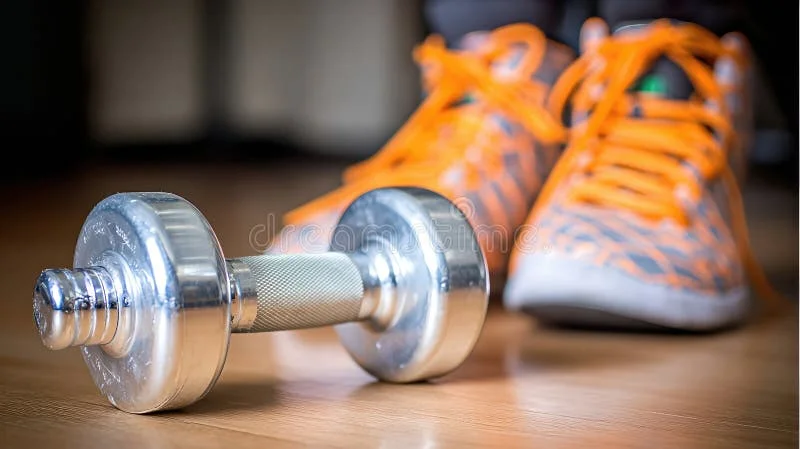
Boxing is one of the few combat sports where dedicated footwear makes a real difference. Boxing shoes use a thin, flat sole for better floor feedback and a higher ankle cut for lateral support during pivots — the opposite of a cushioned running shoe, which actually works against clean footwork. A snug, low-profile fit lets you feel the canvas or mat and pivot on the ball of the foot without the shoe sliding inside itself.
If you’re training Muay Thai or MMA, you’ll likely train barefoot on the mats, but boxing-specific footwear still matters for bag work, pad rounds, and ring time. Check our boxing shoes category for options built around that flat-soled, high-top profile rather than general cross-trainers.
Apparel for Grappling Disciplines
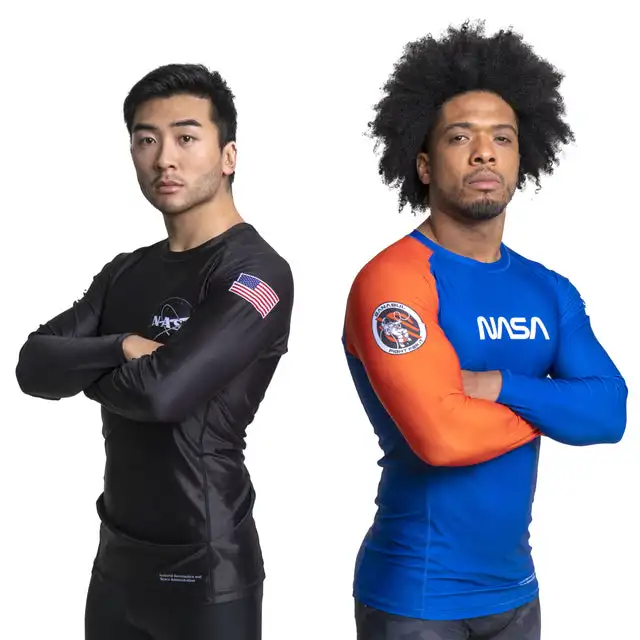
Jiu Jitsu and wrestling apparel runs on a different logic than striking gear. Rash guards and compression spats exist to reduce skin-on-skin friction during rolling, manage sweat, and give a smooth surface that doesn’t snag during scrambles — a loose cotton tee will twist, ride up, and give your training partner something to grab that isn’t a legal grip. Compression fabric (commonly a nylon-spandex blend) holds its shape through an hour of live rolling without stretching out or sagging.
For no-gi grappling, a close-fitting rash guard and spats combo is the standard. For gi training, apparel goes underneath the gi, so fit and breathability matter more than style. Browse our Jiu Jitsu category for grappling-specific pieces, and pair them with the right gloves and wraps from our broader equipment guide if you’re still building out a full kit.
Sizing and Fit Tips
Combat sports apparel should fit closer than streetwear but never restrict breathing or hip rotation. A few practical checks:
- Shorts: sit at or just below the navel with enough drawcord length to cinch tight — loose shorts ride down mid-roll or mid-round.
- Rash guards: should feel snug without compressing your ribs when you breathe deeply; if it’s loose enough to bunch under a gi, size down.
- Boxing shoes: fit should be close to a dress shoe, not a sneaker — about a thumb’s width of room at the toe, with a locked-in heel.
- Kids’ apparel: buy true to current measurements rather than sizing up for growth; oversized gear on a kid moves unpredictably and undermines confidence more than it saves money. Our kids gear category runs sizes specifically for younger trainees rather than scaled-down adult cuts.
When in doubt between two sizes, size down on compression pieces and size true-to-measurement on shorts and shoes. A stretch-fabric rash guard that’s slightly snug on day one will settle in after a wash or two; one that’s too loose never tightens up.
Caring for Your Training Apparel
Combat sports apparel takes more abuse per hour than almost any other athletic category — sweat, mat contact, and repeated stretching all break down fabric faster than casual wear. Rinse or wash gear after every session; synthetic blends hold odor-causing bacteria if left damp in a gym bag overnight. Skip fabric softener on compression pieces, since it coats the fibers and reduces the stretch-recovery that makes the garment fit properly. Air-dry shorts and rash guards when possible — high heat from a dryer breaks down elastane fibers over time, which is why compression gear eventually loses its snap. According to general material science on spandex and elastane fibers, repeated heat exposure is one of the primary causes of elastic fatigue in stretch fabrics, which lines up with what most gyms see in heavily used gear.
Building a Complete Combat Sports Apparel Kit
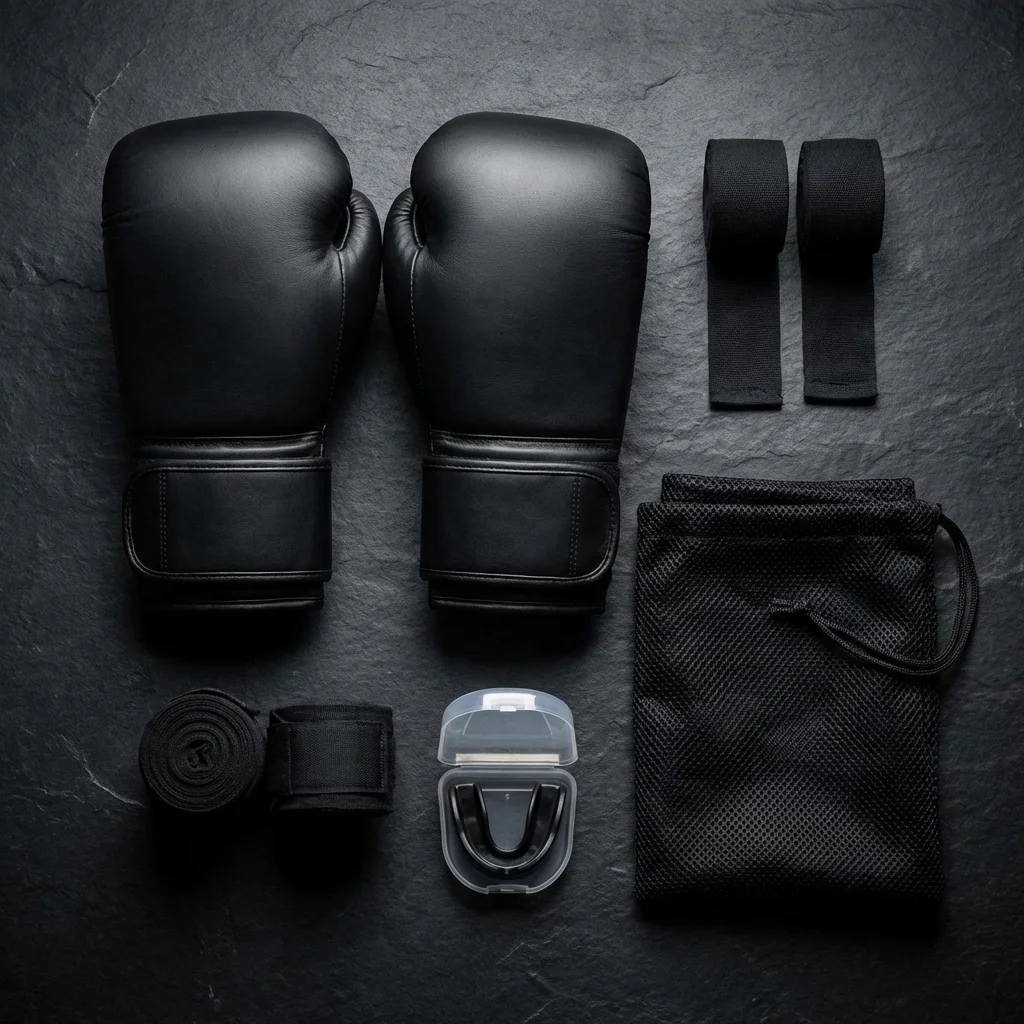
Apparel is only one piece of a full training setup. Most people training multiple disciplines end up needing a rotation: two or three pairs of shorts so one’s always clean, a rash guard for grappling days, and dedicated boxing shoes if you’re sparring or hitting pads regularly. If you’re assembling gear from scratch, our beginner gear guide walks through the full equipment list — gloves, wraps, and protective gear — alongside the apparel basics covered here, so you’re not guessing what to buy first.
A rash guard or compression layer also does double duty under protective gear like rash guards-style compression wear worn under shin guards or a headgear strap, cutting down on the chafing that comes from gear rubbing directly on skin during long sparring sessions. Think of apparel as the base layer your other equipment sits on top of — get that layer right and everything else fits and performs better.
Frequently asked questions
What's the difference between boxing shorts and MMA shorts?
Boxing shorts sit higher at the waist and are cut narrower since boxing footwork stays mostly linear. MMA and Muay Thai shorts are shorter, wider through the thigh, and usually include a side slit or vent so a high kick or knee doesn't get restricted. Both use stretch panels, but the cut reflects the range of motion each sport demands.
Do I need special shoes for Muay Thai or MMA?
Most Muay Thai and MMA gyms train barefoot on mats, so dedicated footwear isn't required for the mat work itself. Boxing-specific shoes still matter if your training includes bag work, pad rounds, or ring sparring, since the flat sole and ankle support improve pivoting compared to a standard cross-trainer or running shoe.
Can I wear a regular cotton t-shirt for grappling instead of a rash guard?
You can, but it's not ideal. Cotton absorbs sweat and gets heavy, twists and rides up during scrambles, and gives a training partner loose fabric to grab onto. A fitted rash guard made from a nylon-spandex blend stays in place, manages moisture better, and holds its shape through a full round of rolling.
How do I keep rash guards and compression gear from losing their fit?
Wash after every session to clear sweat and bacteria, skip fabric softener since it coats the fibers and reduces stretch-recovery, and air-dry instead of using a hot dryer. Heat is the main cause of elastic fatigue in stretch fabrics, so avoiding high heat is the single biggest thing you can do to extend the life of compression apparel.
What size should I buy for a kid starting combat sports training?
Buy true to your child's current measurements rather than sizing up for room to grow. Oversized shorts or rash guards shift and bunch during movement, which is distracting and can undermine confidence in early sessions. Kids-specific apparel is cut differently than scaled-down adult gear, so checking a dedicated kids' sizing chart gives a more reliable fit.