
Combat Sports Equipment: What You Actually Need to Start Training
Combat sports equipment covers everything you need to train safely and effectively: gloves, hand wraps, bags and pads, protective gear like shin guards and mouthguards, plus discipline-specific apparel and footwear. What you actually need depends on your sport — boxing, Muay Thai, MMA, BJJ, wrestling, or karate — and whether you’re hitting bags, sparring, or drilling technique.
Core Combat Sports Equipment Every Fighter Needs
Every striker starts with the same short list: gloves, hand wraps, and something to hit. Everything else builds on top of that foundation. Before you buy anything else, get these three items sorted, because they’re the difference between a productive session and a wasted one.
Gloves and Hand Wraps for Every Training Style
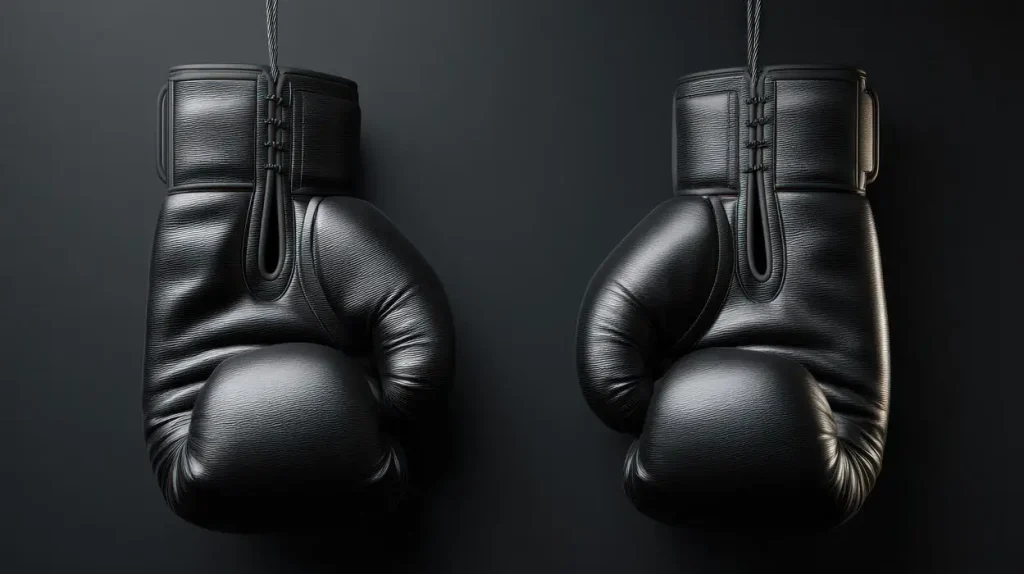
Glove weight matters more than most beginners realize. Lighter gloves (10-12oz) are built for speed work and competition, while heavier gloves (14-16oz) add padding and forearm fatigue that’s useful for sparring and pad rounds. If you only own one pair, go heavier — it’s easier to spar safely in 16oz gloves than to bag-train in gloves that are too light for the impact. Pair whatever gloves you choose with proper hand wraps, which stabilize the wrist and knuckles underneath the glove. Wraps aren’t optional padding — they’re structural support, and skipping them because “the gloves have enough foam” is how wrist tweaks happen. Browse our full range of gloves by weight and closure style before you decide.
Bags, Pads, and the Tools Behind Every Session
Heavy bags build power and conditioning, double-end bags sharpen timing and head movement, and speed bags develop hand-eye coordination and rhythm. Training pads — Thai pads, focus mitts, kick shields — let a partner or coach call combinations and give you live feedback that a bag can’t. None of these tools compete with each other; they each train a different skill, which is why most serious home setups end up with at least two.
Protective Gear for Striking Sports
Sparring changes the equation. Bag gloves and wraps keep your hands safe hitting a static target, but live sparring with a partner calls for gear that covers more of your body against moving contact. This is where boxing, Muay Thai, and MMA fighters start layering on protection rather than just hand gear.
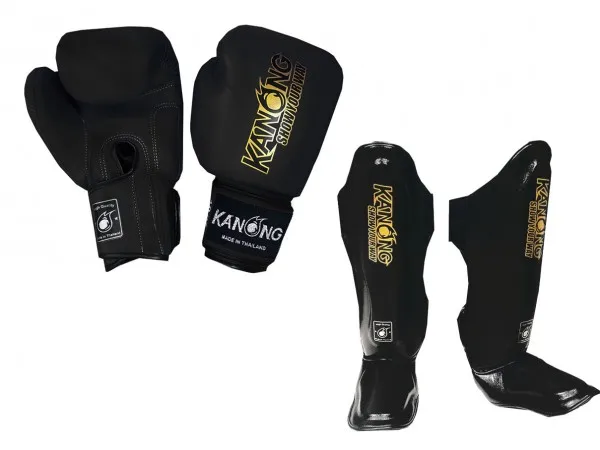
Shin guards are the piece most beginners underestimate until their first live leg-kick round. A well-fitted pair covers the shin bone and instep without sliding down mid-round, which matters more than any padding thickness on the spec sheet. Mouthguards protect teeth and gums during clinch work and sparring, and head gear adds coverage for drilling and light sparring where head contact is part of the exchange. None of this gear is about eliminating risk — sparring always carries some — but the right coverage lets you train with more confidence and fewer distractions. Check the fit guides on our shin guards before ordering, since sizing runs by shin length and calf circumference rather than shoe size.
Grappling Equipment for BJJ and Wrestling
Grappling sports flip the equipment priority list. There’s far less padding involved and far more emphasis on apparel that survives being gripped, pulled, and pinned for an hour straight. A gi or rash guard that fits properly reduces the chance of it becoming a liability mid-roll — too loose and it’s an extra handle for your opponent, too tight and it restricts the shoulder mobility grappling demands.
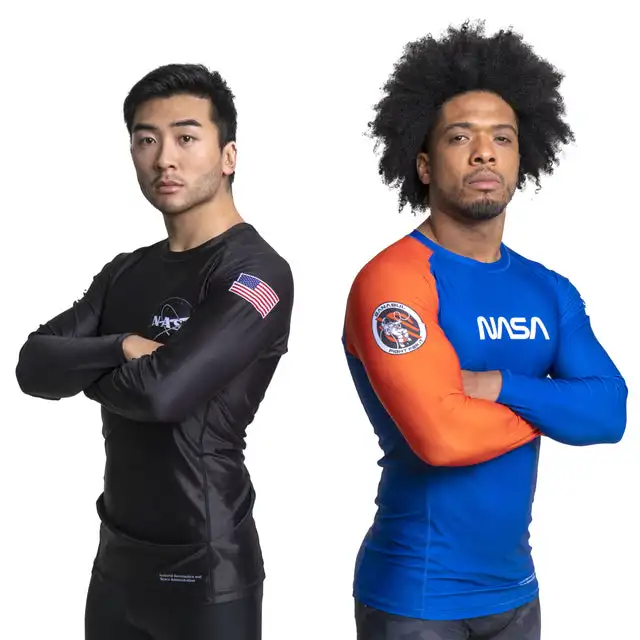
Wrestlers deal with a similar fit problem in singlets and headgear, where a snug, secure fit matters more than in almost any other combat sport because loose gear directly affects takedowns and scrambles. If you’re building out a grappling kit, start with apparel built for the sport rather than repurposing striking gear — the material and stitching demands are genuinely different. For a deeper look at grappling-specific gear and how it differs from striking equipment, our Jiu Jitsu category breaks down fit and material by discipline. If you want background on how the sport’s rule set shapes the gear, the Wikipedia entry on Brazilian jiu-jitsu is a solid starting point.
Apparel and Footwear That Matches Your Training
Apparel isn’t just comfort — it’s functional gear. Boxing shorts and Muay Thai shorts are cut differently for a reason: boxing shorts sit higher and narrower for punching mechanics, while Muay Thai shorts are shorter and wider at the leg to allow high kicks without restriction. Rash guards and compression layers under a gi or shorts help wick sweat and reduce chafing during long rounds, which adds up over a full training cycle.
Footwear Built for the Discipline
Footwear only matters for a handful of combat sports, but where it matters, it matters a lot. Boxing shoes are built low-to-the-ground with a thin, flexible sole so you can pivot and slide without your foot fighting the shoe. That’s a different design goal than a cross-trainer or running shoe, which prioritizes cushioning over lateral responsiveness. If footwork is part of your sport, don’t train in generic gym shoes long-term — the sole flex and ankle support are noticeably different once you switch. Our apparel and footwear section covers shorts, rash guards, and boxing shoes sized for how each discipline actually moves.
Building a Combat Sports Equipment Checklist for Kids
Kids’ gear isn’t just a smaller version of adult equipment — sizing, weight, and coverage all need to scale down properly, not just visually but functionally. A glove that’s simply a scaled-down adult mold often doesn’t distribute padding correctly for a smaller hand, and headgear built for an adult skull shape won’t sit right on a kid regardless of the size label.
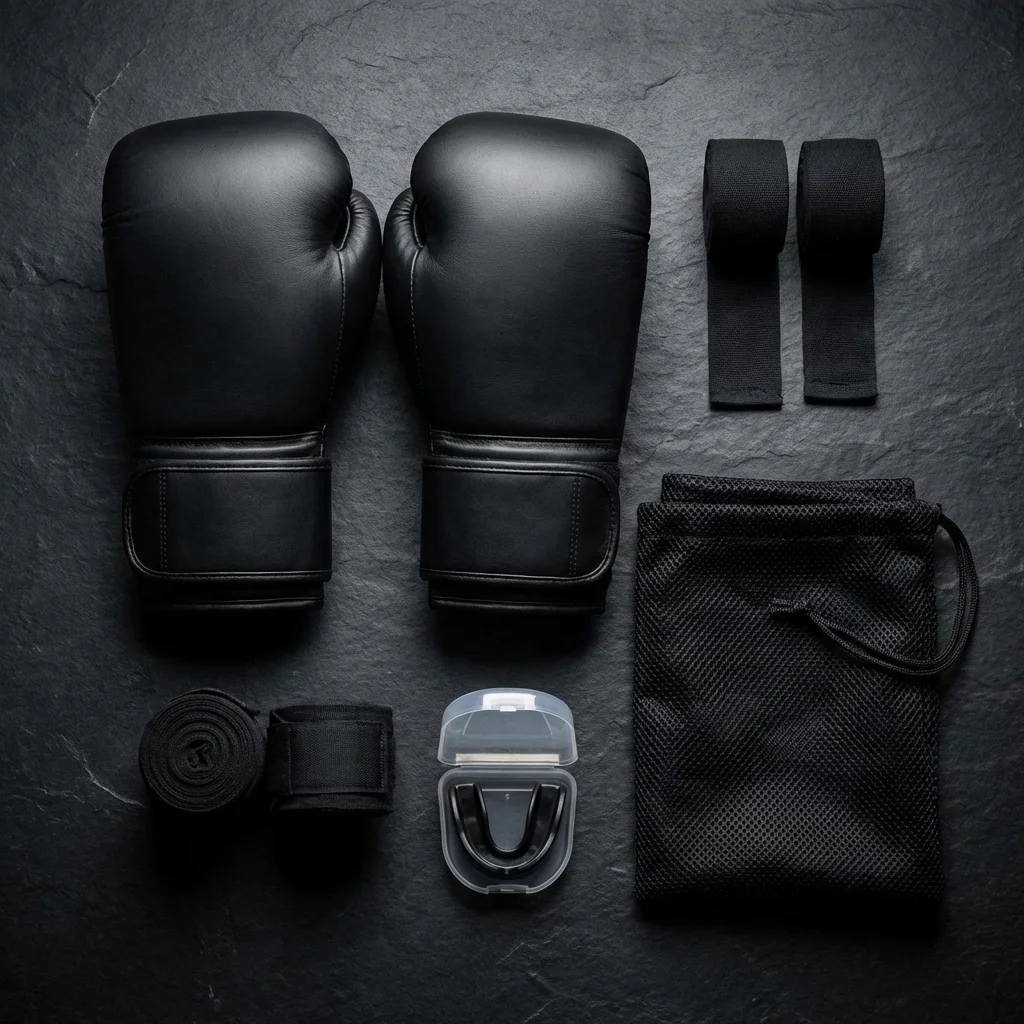
When you’re outfitting a young athlete, start with the same three basics as an adult: properly sized gloves, hand wraps cut to a shorter length, and a mouthguard that actually fits their bite rather than a one-size boil-and-bite left loose. Add shin guards and headgear once sparring or contact drilling enters the picture, and resize as they grow rather than buying gear meant to be “grown into.” Oversized protective gear shifts during activity, which defeats the purpose of wearing it. Our kids gear collection is sized specifically for younger athletes rather than scaled-down adult stock, which makes a real difference in how it performs during drills.
Gear Care Tips to Extend Equipment Life
Combat sports equipment takes a beating from sweat, friction, and repeated impact, and how you care for it between sessions determines how long it holds up. A few habits go a long way toward keeping gear functional and pleasant to use.
- Air out gloves and pads after every session — stuffing damp gear straight into a bag speeds up material breakdown and odor buildup.
- Hand-wash or wipe down mouthguards and rinse hand wraps regularly; bacteria builds up fast on anything worn against skin.
- Rotate between two pairs of wraps or gloves if you train frequently, so each set gets a full day to dry out before reuse.
- Store leather and synthetic gear away from direct heat or sunlight, which dries out material and accelerates cracking at the seams.
- Check stitching and Velcro closures periodically — small tears are cheap to address early and expensive once they compromise fit.
None of this requires special products, just consistency. Gear that’s cared for properly typically outlasts gear that’s identical on paper but left damp in a bag between sessions. If you’re mapping out a full kit for a specific discipline from scratch, our beginner gear guide walks through priority order by sport, and the Beginner Guides category has more sport-specific breakdowns as you narrow in on what you train.
Frequently asked questions
What combat sports equipment does a complete beginner actually need first?
Start with gloves, hand wraps, and a mouthguard — that covers most bag work and light drilling. If your gym has sparring early on, add shin guards or headgear based on your discipline. Skip buying everything at once; most beginners overbuy protective gear before they know what their specific training actually requires.
Do I need different gloves for bag work versus sparring?
Ideally yes. Bag gloves are often stiffer and built for repeated impact against a static target, while sparring calls for more even padding distribution to protect a moving partner. If you can only own one pair, choose a heavier weight (14-16oz), since it's safer for sparring and still usable for bag rounds.
How is grappling equipment different from striking gear?
Grappling gear like gis, rash guards, and singlets is built around fit and durability under gripping rather than impact absorption. There's minimal padding involved. The material has to withstand being pulled and gripped repeatedly, and a proper fit prevents loose fabric from becoming an extra handle for your opponent.
How often should I replace protective gear like shin guards or mouthguards?
Mouthguards should be replaced once they lose shape or show wear from biting, typically every season of regular use. Shin guards and gloves last longer but should be swapped once padding compresses unevenly or straps and stitching weaken, since degraded padding no longer distributes impact the way it did when new.
What's the difference between kids' gear and smaller adult gear?
Kids' equipment is engineered around a child's proportions, not just scaled down visually. Padding placement in gloves and headgear, wrap length, and mouthguard fit all need to match a smaller frame functionally. Gear sized for adults but purchased small often shifts during activity, which defeats its protective purpose.