
Combat Sports Gear: The Essential Equipment Guide for Every Discipline
Combat sports cover boxing, MMA, Muay Thai, Brazilian Jiu-Jitsu, wrestling, and karate — and while the rules differ, the gear list overlaps more than most beginners expect. A solid combat sports setup starts with gloves, hand wraps, a mouthguard, and something to hit, then expands based on whether your sport is striking, grappling, or both.
What Counts as Combat Sports Gear
Every combat sport asks for a mix of training equipment, protective gear, and apparel, but the ratio shifts depending on the discipline. Striking sports lean heavily on gloves, pads, and bags. Grappling sports lean on apparel built to move and grip, plus a mouthguard for live rolling. Karate sits in between, often adding light sparring gloves and shin protection for point or continuous sparring formats. If you’re mapping out a full kit, the combat sports category is the fastest way to see what’s built for your specific discipline.
Core Equipment Every Combat Sports Athlete Needs
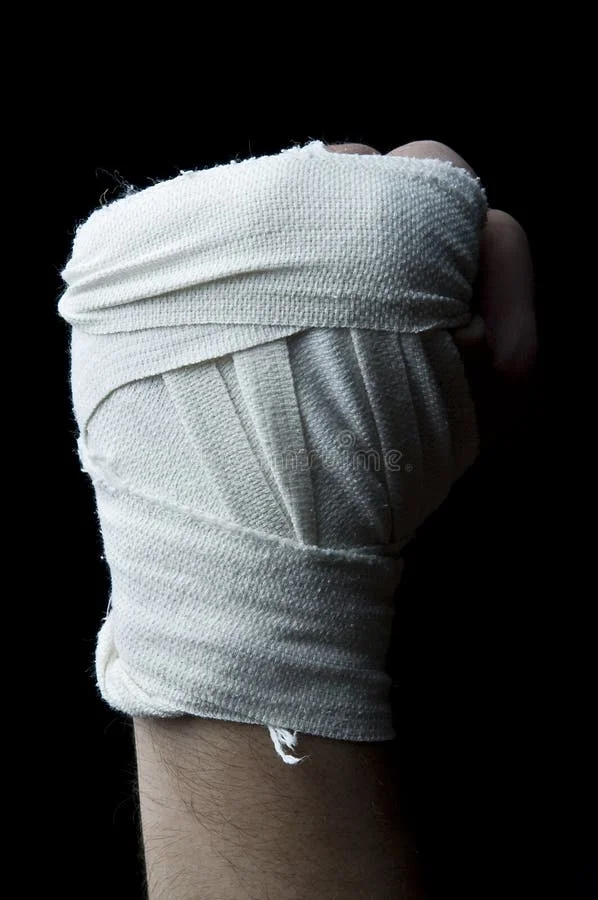
Regardless of which sport you’re training, three items show up in almost every gym bag: hand wraps, gloves, and a mouthguard. Wraps protect your wrists and knuckles by keeping the small bones in your hand compressed and aligned when you make contact, and they also soak up sweat that would otherwise sit against your skin and break down glove lining faster. A pair of hand wraps is one of the cheapest pieces of gear you’ll own and one of the most used.
Training Gloves vs Sparring and Bag Work
Not every glove is built for the same job. Bag gloves are typically on the firmer, lighter side because they’re made for repeated impact against a heavy surface, not absorbing a partner’s punch. Sparring gloves run heavier — commonly in the 14oz to 16oz range for adults — because the extra padding spreads out impact over a longer sparring round. Lighter gloves in the 8oz to 12oz range are more common for competition or fast mitt work, where hand speed matters more than cushioning. If you’re only buying one pair to start, a mid-weight glove built for both bag work and light sparring is the most practical choice, and you can shop the full range in the gloves category.
Building a Combat Sports Kit by Discipline
Striking Sports: Boxing, Muay Thai, MMA, and Karate
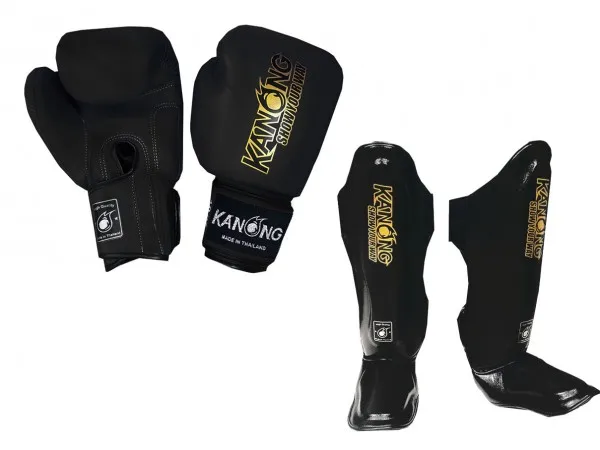
Striking-based combat sports add protective gear on top of the basics as soon as sparring enters the picture. Shin guards matter most in Muay Thai and MMA, where kicks are part of the exchange, and they’re worth having even in a karate class that includes continuous contact. Headgear is another common addition for anyone sparring regularly, since it adds a layer of padding and coverage around the areas that take the most contact. Browse protective gear once you move past solo bag work and into partner drills.
Grappling Sports: Brazilian Jiu-Jitsu and Wrestling
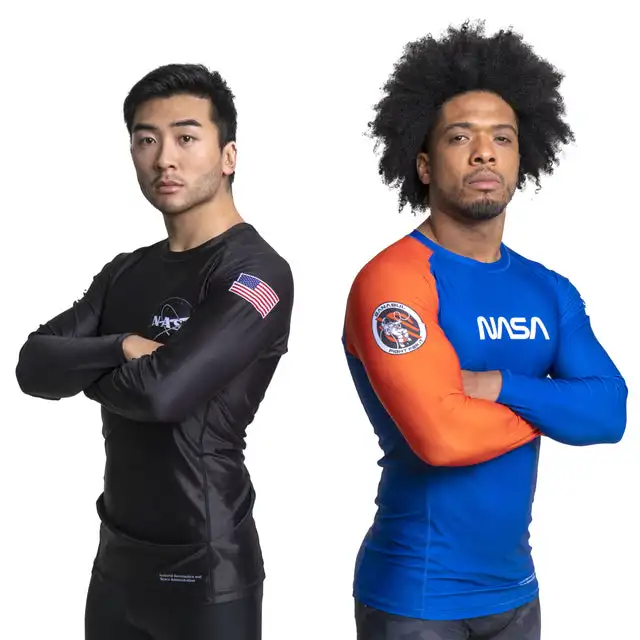
Grappling flips the equipment list. You won’t need gloves for BJJ or wrestling, but you will want apparel that can handle friction, grips, and repeated washing, plus a mouthguard for live rolling where accidental head contact happens. BJJ athletes should look at the jiu jitsu category for training-specific pieces, and a properly fitted mouthguard is worth having in your bag before your first live-rolling session, not after. Wrestling shares a lot of the same conditioning demands, which is why jump ropes and other cardio-focused training tools tend to cross over between the two sports.
Home Training Equipment for Combat Sports
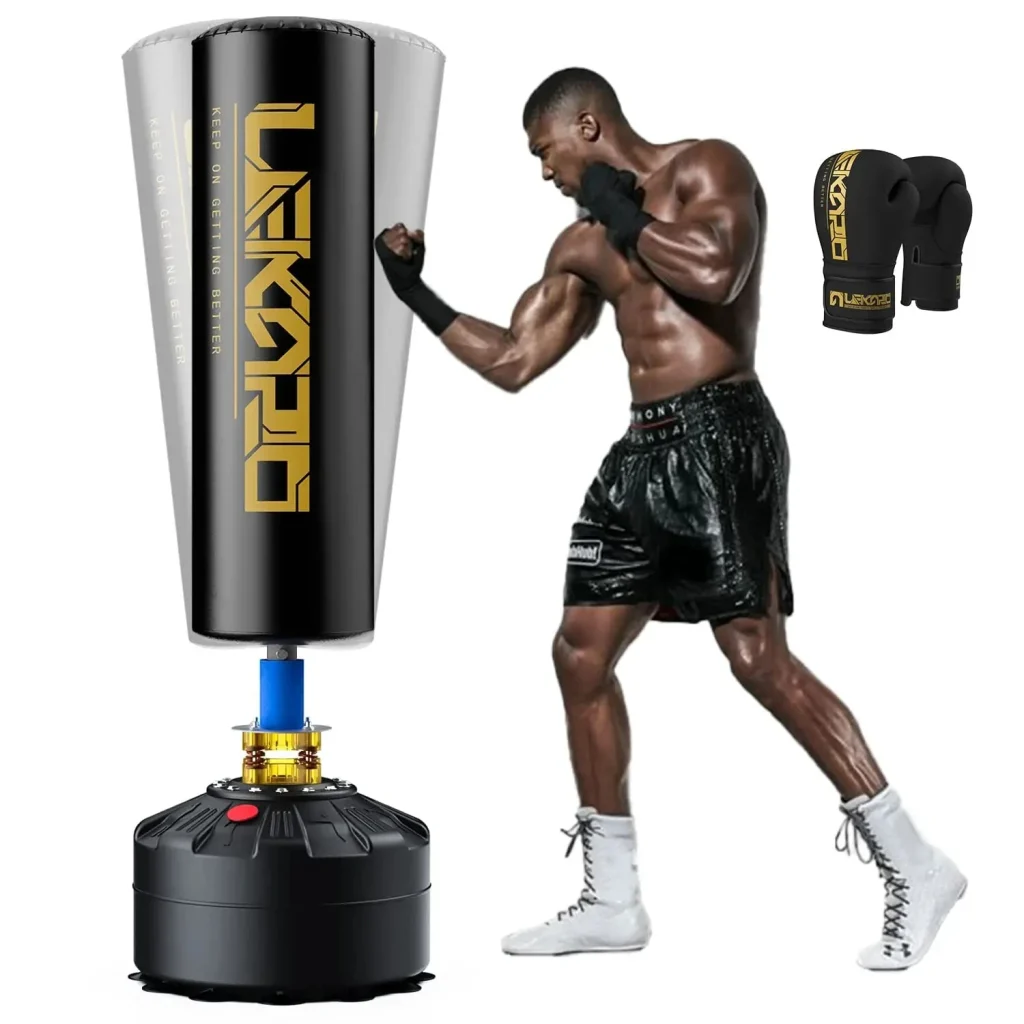
A bag at home extends every gym session and gives you a place to drill combinations on your own schedule. Heavy bags reward power and combination work but need a solid mounting point or stand. Free-standing bags solve the space problem for apartments or garages since they don’t need to hang from a ceiling joist, and they can be moved or stored when you’re done. Double-end bags and speed bags round out a home setup by sharpening timing and hand-eye coordination in ways a heavy bag can’t. All three fall under training equipment, alongside jump ropes for the conditioning work that every combat sport demands.
Apparel and Footwear That Match Your Training
What you wear affects how you move, and combat sports apparel is built with that in mind — shorts that won’t restrict a high kick, and footwear that gives you the traction and lateral support boxing and MMA training demand. Boxing shoes in particular are worth the investment once you’re pivoting and shifting weight regularly, since regular training shoes tend to grip the floor too much or not enough. Check out apparel and footwear when you’re ready to move past whatever you happened to grab from your closet on day one.
Gear Care Tips That Extend Equipment Life
Combat sports gear takes a beating, and how you care for it determines whether it lasts one season or several. Let gloves air out fully between sessions instead of zipping them straight into a closed bag — trapped moisture is what breaks down foam padding and lining fastest. Unroll hand wraps after every use rather than balling them up damp, and wash them regularly since they sit directly against skin. Wipe down shin guards and headgear with a damp cloth after sparring, then let them dry uncovered. Rinse your mouthguard in cool water after every use and store it in a vented case, never a sealed bag, to avoid bacteria buildup. None of this takes more than a few minutes, but it’s the difference between gear that holds up and gear you’re replacing every few months.
Starting Combat Sports as a Beginner or Parent
If you’re new to combat sports, or you’re outfitting a kid who just signed up for their first class, resist the urge to buy everything at once. Start with wraps, a mouthguard, and gloves sized to the discipline, then add protective gear as sparring becomes part of the routine. Kids need gear sized specifically for smaller hands and shorter reach rather than a scaled-down adult product, which is why a dedicated kids gear lineup exists rather than just smaller versions of adult stock. For a full walkthrough of what to buy in what order, the beginner gear guide breaks down a complete starter kit, and the Beginner Guides category has more discipline-specific breakdowns as you narrow in on a sport.
According to the general overview of the field maintained on Wikipedia’s combat sport entry, the category spans everything from boxing and wrestling to grappling arts like Brazilian Jiu-Jitsu, each governed by its own rule set and scoring system — which is exactly why gear needs vary so much between them. If you’re specifically drawn to grappling, the history of Brazilian Jiu-Jitsu is worth a read to understand why the sport’s apparel and etiquette developed the way they did.
Frequently asked questions
What gear do I need to start any combat sport?
Almost every combat sport starts with the same basics: hand wraps, a mouthguard, and a bag to hit if your sport involves striking. From there, gear splits by discipline — gloves and shin guards for striking sports like boxing or Muay Thai, and grip-friendly apparel plus a mouthguard for grappling sports like BJJ or wrestling.
Do grappling sports like BJJ and wrestling need gloves?
No. Gloves are specific to striking sports like boxing, Muay Thai, and MMA. BJJ and wrestling don't involve punching or kicking, so the priority shifts to durable apparel that handles grips and friction, along with a mouthguard for live rolling sessions where accidental contact can happen.
What weight gloves should a beginner buy for combat sports?
A mid-weight glove in the 14oz to 16oz range covers both bag work and light sparring, which makes it the most practical first purchase. Lighter gloves around 8oz to 12oz are more common for competition or fast pad work once you're further along and want more hand speed.
How often should I replace combat sports gear like gloves and headgear?
There's no fixed timeline — it depends on training frequency and how well the gear is cared for. Letting gloves and headgear air dry fully between sessions, avoiding sealed bags, and wiping down padding after sparring all extend usable life significantly compared to gear that's stored damp or dirty.
What's the difference between karate gear and boxing or MMA gear?
Karate gear overlaps with striking sports but is often lighter, since many karate formats use point sparring rather than continuous heavy contact. Shin guards and light sparring gloves are common additions, while gear built for boxing or MMA tends to be heavier and designed for sustained, continuous impact.