
Combat Sports Conditioning Gear: The Complete Buyer’s Checklist
Combat sports conditioning gear is the equipment that builds your gas tank and power output outside of technique drilling — heavy bags, jump ropes, hand wraps, bag gloves, and double-end or speed bags. The right combination lets you run rounds, sharpen timing, and condition your hands and shoulders without waiting for a training partner.
What Counts as Combat Sports Conditioning Gear
Conditioning gear is different from sparring gear. Sparring gear protects you against a live opponent. Conditioning gear is what you use alone or with a partner holding pads to build work capacity: your engine, your footwork, your timing, and the durability of your hands and wrists. Think heavy bags for power and pacing, jump ropes for footwork and cardio, double-end and speed bags for timing and hand-eye coordination, and the wraps and gloves that make all of it possible without beating up your joints.
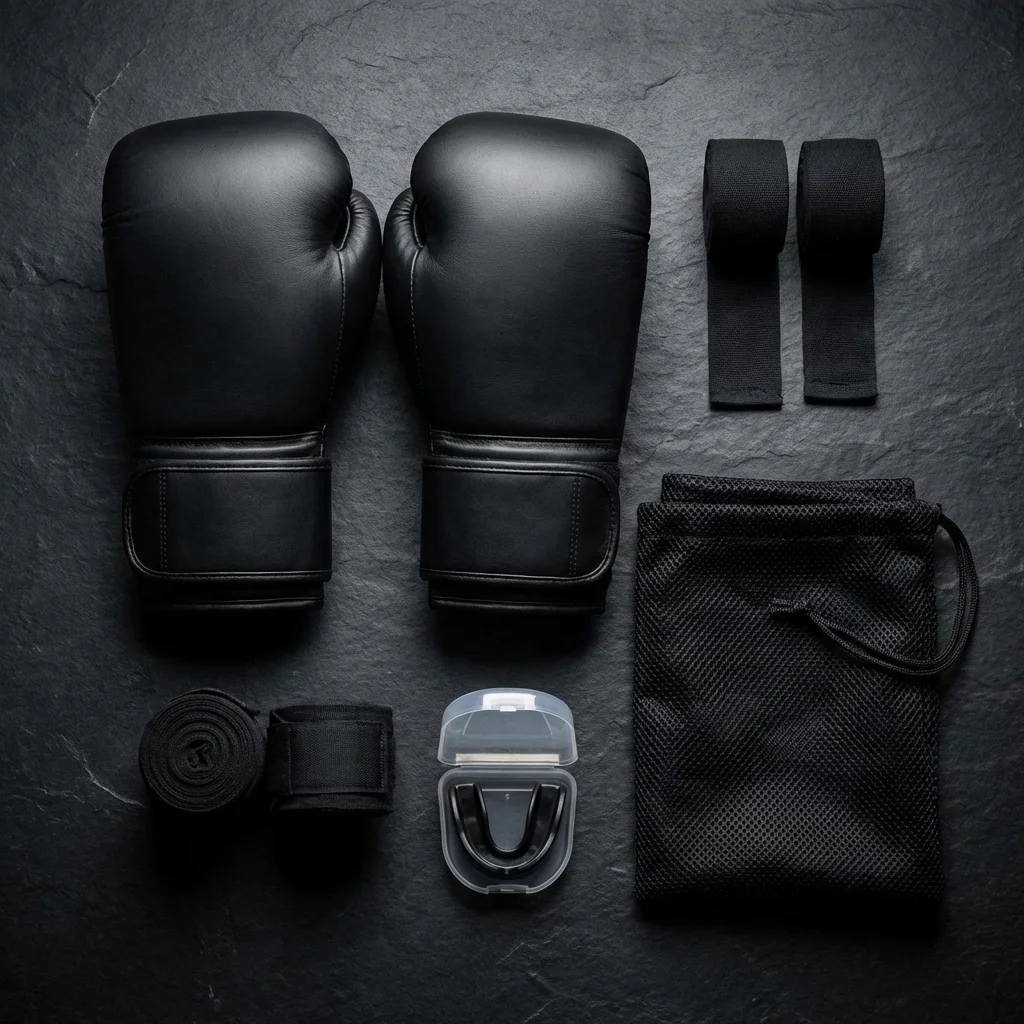
Every discipline leans on this gear differently. A boxer might live on the speed bag and jump rope between sparring days. A Muay Thai fighter conditions on a heavy bag with shin contact built in. An MMA athlete rotates between all of it plus pad rounds. But the core equipment list barely changes — it’s the volume and emphasis that shifts. If you’re just assembling your first kit, our beginner gear guide covers the full setup beyond conditioning tools alone.
Building Your Conditioning Gear Checklist
Start with the pieces that give you the most training value per dollar, then fill in specialty items as your conditioning work gets more specific.
Heavy Bags for Power and Stamina
A heavy bag is the single best conditioning tool for combat sports because it lets you throw full-power combinations for rounds at a time without a partner. Bag work builds shoulder endurance, teaches you to pace your output over three-minute rounds, and forces you to keep your hands up when you’re tired — which is exactly the fatigue you want to train through. Browse the full range of heavy bags to find the weight and fill that matches your size and striking style.
Jump Ropes for Footwork and Cardio
Jump rope is a staple in every combat sports gym for a reason: it’s cheap, portable, and builds the calf endurance and rhythm that carries directly into ring and mat movement. Ten minutes of rope work before a bag session raises your heart rate and warms up the exact muscles you’ll use for pivoting and stepping. A properly sized jump rope should reach roughly to your armpits when you stand on the middle of the cord.
Hand Wraps and Gloves for Bag Work
Conditioning volume adds up fast — hundreds of punches per session — and your wrists and knuckles take that load every time. Hand wraps stabilize the wrist joint and keep the small bones in your hand aligned when you’re throwing hard and tired, which is when form usually breaks down. Pair wraps with a bag glove built for repeated impact rather than a thin sparring mitt.
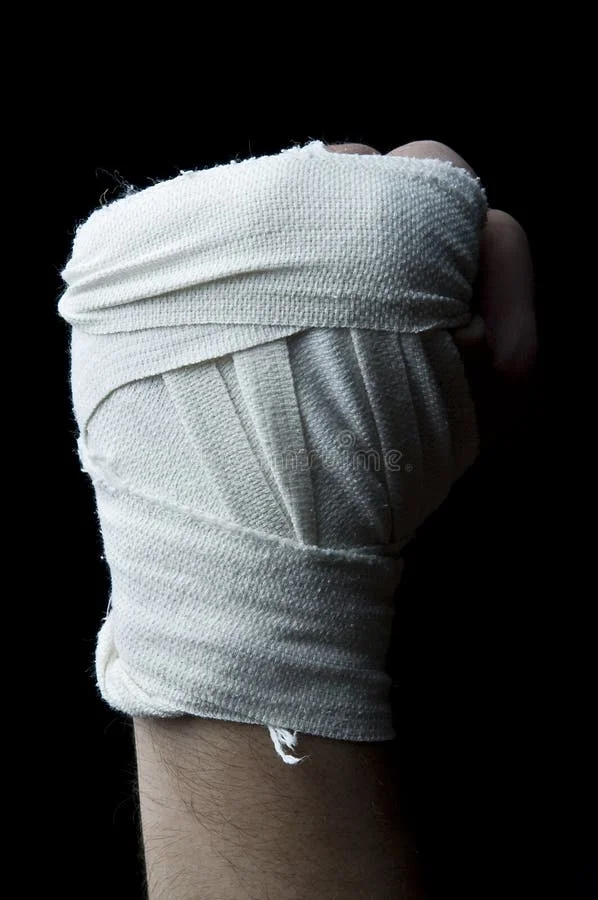
Look for wraps in the 180-inch range if you want full wrist and thumb coverage, and check our hand wraps selection alongside the gloves built for heavy bag and mitt sessions. Bag gloves generally run denser padding than competition gloves since they’re absorbing thousands of repetitive strikes rather than a handful of scoring shots.
Double-End and Speed Bags for Timing
Once your base conditioning is in place, double-end bags and speed bags sharpen the reflexes and rhythm that raw power work doesn’t touch. A double-end bag rebounds unpredictably, training you to slip and counter under fatigue, while a speed bag builds shoulder endurance and a consistent rhythm that translates into cleaner combinations when your arms are heavy late in a round.
Free-Standing vs Hanging Heavy Bags for Conditioning
This is one of the most common gear decisions for anyone building a home conditioning setup, and it comes down to your space and how you train.
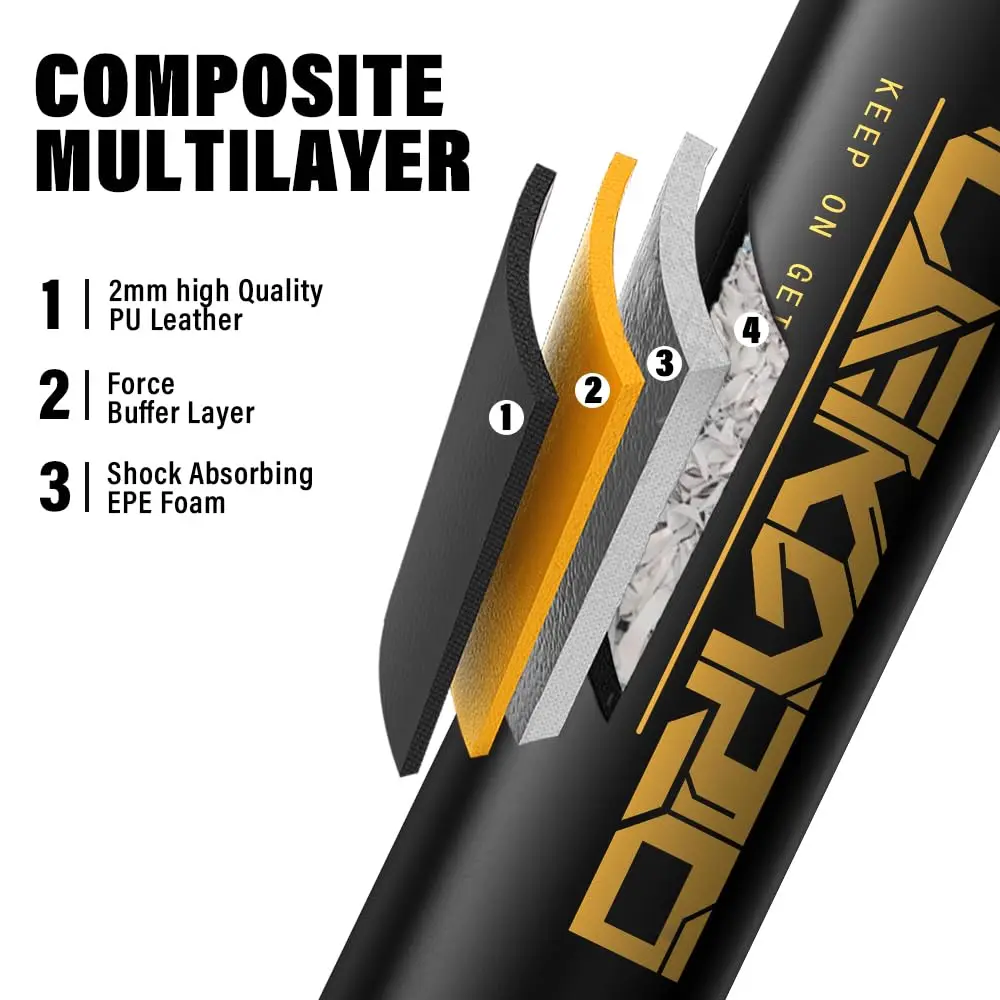
A hanging heavy bag needs a ceiling mount, joist, or rig, but it delivers a more authentic, stable strike response and lets you work leg kicks without the base shifting under you. A free-standing bag trades a bit of that stability for zero installation — fill the base, set it anywhere with a flat floor, and it’s ready. Free-standing bags are the better call for garages, apartments, or anyone who wants to move the bag between spots. Hanging bags edge out free-standing setups for pure conditioning volume, since they don’t wobble or walk across the floor during heavy combinations, but the difference matters less than actually having a bag you’ll use consistently.
Matching Combat Sports Conditioning Gear to Your Discipline
The core equipment list holds steady across disciplines, but where you put your training time and budget should shift with what you’re actually competing or sparring in.
Boxing and Muay Thai
Boxers typically split conditioning time between the heavy bag, speed bag, and rope, with an emphasis on hand speed and combination volume. Muay Thai athletes add more bag time built around low kicks and knees, and often condition shins and forearms through controlled bag contact rather than pad work alone. Both benefit from the full range of gear under our boxing and Muay Thai categories.
MMA, Wrestling, and Jiu-Jitsu
MMA conditioning tends to blend striking bag work with grappling-specific cardio, so wrapping and gloving up for bag rounds still matters even on grappling-heavy training days. Wrestlers and jiu-jitsu athletes rely less on striking bags and more on live rolling for conditioning, but a jump rope and a solid warm-up routine still belong in every kit. Check the MMA category if you’re building a setup that needs to cover both striking and grappling conditioning.
Gear Care Tips to Keep Conditioning Equipment Working
Conditioning gear takes more abuse than almost anything else in a combat sports kit, simply because of the repetition involved. A few habits keep it usable longer and keep your training sessions from being interrupted by gear failure.
- Air out wraps and gloves after every session instead of stuffing them straight into a bag — trapped moisture breaks down foam padding and stitching faster than actual use does.
- Check bag mounts, chains, and free-standing bases regularly. A loose chain link or a base that’s lost fill will change how the bag moves and shorten its life.
- Rotate between two sets of hand wraps if you train often, so each pair gets a full day to dry before it’s used again.
- Wipe down speed bag platforms and double-end bag cords, since dust and sweat buildup affects rebound consistency over time.
- Store jump ropes coiled loosely rather than kinked tight, which keeps the cable from developing weak points that snap mid-session.
None of this requires special products — consistency is what actually extends the life of conditioning equipment. According to general exercise guidance from the CDC’s physical activity recommendations, most adults benefit from at least 150 minutes of moderate cardio activity weekly, and rope work or bag rounds are an efficient way to hit that volume within a combat sports training schedule. The history of jump rope training also shows why it’s stuck around in boxing gyms for over a century — it’s simple, cheap, and directly transfers to ring footwork.
Putting Together a Complete Conditioning Setup
If you’re starting from zero, prioritize in this order: a heavy bag (hanging or free-standing based on your space), a pair of hand wraps, a bag glove built for volume, and a jump rope. That covers the majority of conditioning work most combat sports athletes need. Add a double-end bag or speed bag once you’re comfortable with basic combinations and want to sharpen timing rather than just build endurance. For a broader rundown of everything beyond conditioning — sparring gear, protective equipment, and apparel — the combat sports equipment buying guide walks through the full picture, and the full training equipment category has everything mentioned here in one place.
Frequently asked questions
What is the most important piece of combat sports conditioning gear to buy first?
A heavy bag delivers the most training value per dollar because it lets you build power, pacing, and stamina without a partner. Pair it with hand wraps and a bag glove from day one, since throwing volume without wrist support is the fastest way to develop nagging hand and wrist fatigue during conditioning rounds.
Do I need different gloves for conditioning work versus sparring?
Generally yes. Bag gloves used for conditioning are built with denser, more durable padding to absorb thousands of repetitive strikes over time, while sparring gloves prioritize a different fit and feel for live partner work. Using a dedicated bag glove for conditioning also keeps your sparring gloves in better shape longer.
Is a free-standing or hanging heavy bag better for conditioning?
Hanging bags offer slightly more stability for high-volume combinations and leg kicks since they don't shift on the floor, but free-standing bags need no mounting and can be moved anywhere with a flat surface. For most home setups, a free-standing bag is the more practical choice without a major conditioning trade-off.
How often should I replace hand wraps used for conditioning?
Replace wraps once the elastic loses stretch, the thumb loop tears, or the fabric thins to the point it no longer compresses your wrist firmly. Heavy conditioning users doing daily bag work often go through wraps faster than sparring-only athletes simply because of strike volume, so rotating two pairs helps them last longer.
What conditioning gear works best for combined striking and grappling training?
A heavy bag, jump rope, and hand wraps cover striking conditioning, while grappling conditioning mostly comes from live rolling rather than equipment. Athletes training both usually keep a lighter bag glove on hand for striking rounds and rely on general cardio work like rope skipping to build the gas tank for grappling sessions.